
Published: October 23, 2025 | Updated: October 23, 2025
Introduction: The Familiar Pattern Nobody Wants to Repeat
You’ve probably noticed it—that magnetic pull toward someone who seems to have one emotional foot out the door. They’re charming but distant. Attentive one moment, ghosting the next. You find yourself constantly interpreting mixed signals, making excuses for their unavailability, and somehow investing more while they invest less. Sound familiar?
If so, you’re not alone. Research on attachment patterns shows that falling for emotionally unavailable people is a surprisingly common experience, affecting an estimated 60-70% of individuals at some point in their romantic lives. But why does this happen? Why do intelligent, emotionally aware people repeatedly find themselves chasing unavailable partners?
The answer isn’t that you’re broken or defective. Instead, attraction to emotionally unavailable people stems from a combination of psychological patterns, childhood experiences, and how our brains are wired for connection. Understanding the “why” behind this pattern is the first step toward breaking it and building healthier, more fulfilling relationships.
In this guide, we’ll explore the psychology of emotionally unavailable people, examine why we’re drawn to them, and provide actionable strategies to help you recognize and overcome this pattern.
What Does It Mean to Be Attracted to Emotionally Unavailable People?
❓ What exactly is an emotionally unavailable person?
👉 Quick Answer: An emotionally unavailable person is someone who struggles to share feelings, demonstrate vulnerability, or reciprocate emotional intimacy in relationships. They may appear distant, avoid deep conversations, or withdraw when things get serious—creating a dynamic where one partner feels consistently unmet.
Emotional unavailability isn’t a clinical diagnosis, but rather a relational pattern characterized by difficulty with emotional expression, intimacy, and reciprocal vulnerability. An emotionally unavailable person might:
🔹 Avoid deep, meaningful conversations about feelings or the future
🔹 Withdraw or become defensive when confronted with emotional topics
🔹 Struggle to express vulnerability or admit to weaknesses
🔹 Maintain emotional distance even in committed relationships
🔹 Use humor, work, or distractions to deflect from emotional connection
🔹 Display inconsistent behavior—alternating between closeness and distance

When you’re attracted to emotionally unavailable people, you find yourself drawn to these individuals despite recognizing the emotional toll the relationship takes. You might spend significant mental energy trying to “decode” their behavior, hoping that your love will be enough to help them open up.
It’s important to distinguish between someone who is going through a temporary difficult period (stress, grief, or personal challenges) and someone with a persistent pattern of emotional unavailability. The latter is what we’re addressing here.
The Science Behind Attraction to Emotionally Unavailable Partners
❓ Why do our brains get attracted to emotionally unavailable people?
👉 Quick Answer: Attachment theory, childhood conditioning, dopamine responses to uncertainty, and trauma bonding create a psychological “hook” that makes emotionally unavailable partners feel exciting and familiar simultaneously.
Attachment Theory and Early Patterns
The foundation for understanding this attraction lies in attachment theory, pioneered by psychologist John Bowlby and later expanded by Mary Ainsworth. Your attachment style—formed in early childhood based on your primary caregiver’s responsiveness—shapes how you relate to romantic partners as an adult.
Research from the University of Cincinnati found that individuals with anxious attachment styles (characterized by a deep need for closeness and fear of abandonment) are significantly more likely to pursue emotionally unavailable partners. If your caregiver was inconsistently available—sometimes warm and attentive, sometimes cold or distant—you may have developed an internal template that equates emotional uncertainty with love.
In other words, if your parent’s love felt like a prize you had to earn through perfect behavior, you might unconsciously seek partners who recreate this dynamic. The inconsistency doesn’t feel wrong; it feels familiar.
The Dopamine Response to Uncertainty
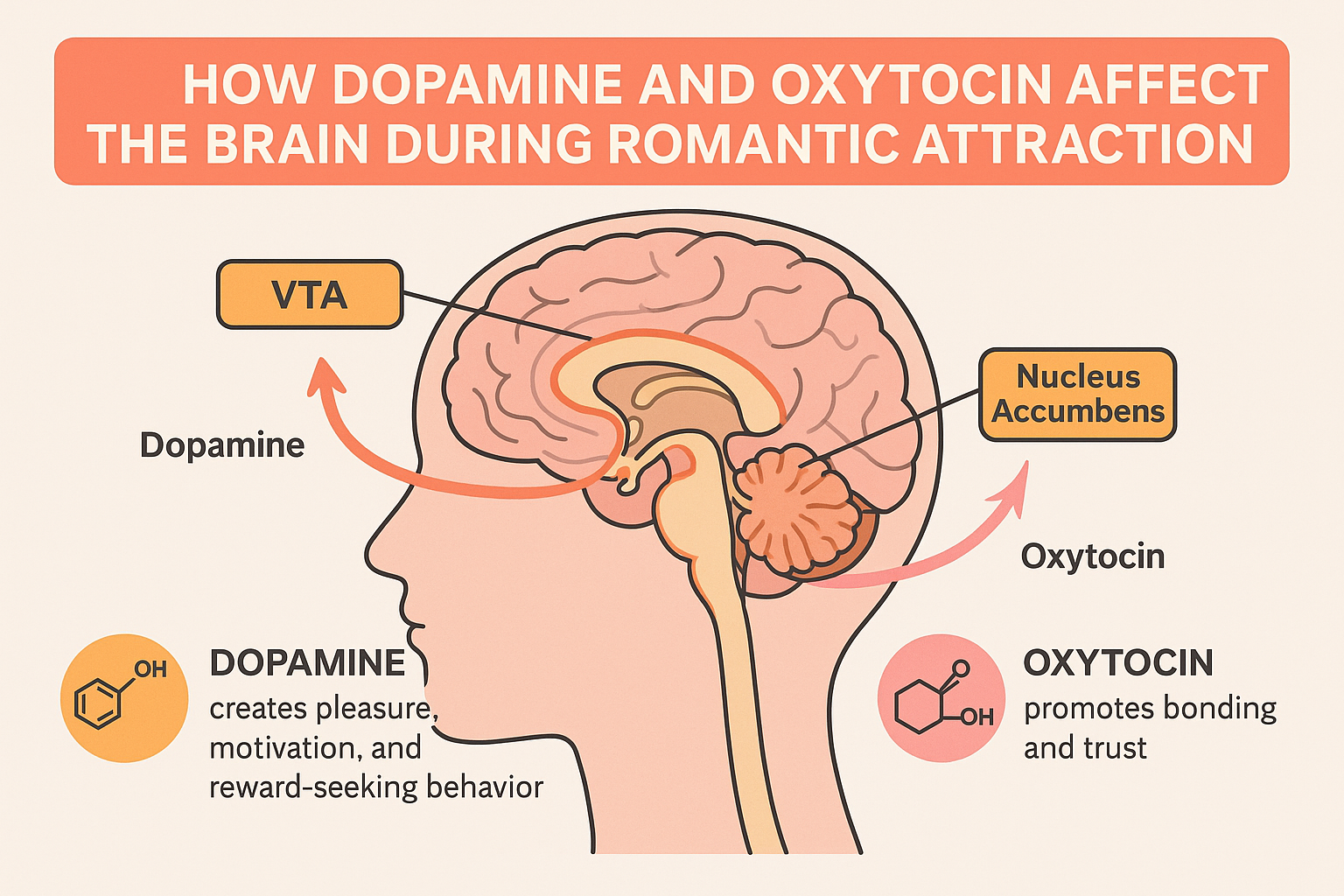
Your brain is essentially a prediction machine, constantly seeking patterns and anticipating outcomes. When someone is emotionally unavailable, their behavior becomes unpredictable and intermittently rewarding. This creates what psychologists call a “variable reward schedule”—the same mechanism that makes slot machines addictive.
A study published in Nature Neuroscience revealed that the brain releases more dopamine when uncertain about a reward than when the reward is guaranteed. When your emotionally unavailable partner suddenly shows affection after a period of coldness, your dopamine levels spike dramatically. This creates a powerful positive association with the uncertainty and intermittent warmth—essentially training your brain to seek out that pattern.
Trauma Bonding and the Intimacy Paradox
Another crucial piece of the puzzle is trauma bonding, or what psychologists call “intermittent reinforcement trauma.” When a relationship cycles between emotional closeness and painful distance—especially if it involves criticism, rejection, or silent treatment—it creates an intense, addictive bond.
Research on trauma bonding shows that cycles of poor treatment followed by kindness create stronger emotional attachments than consistent positive treatment. The “making up” phase releases oxytocin (the bonding hormone) and endorphins, creating a powerful neurochemical reward that reinforces the cycle.
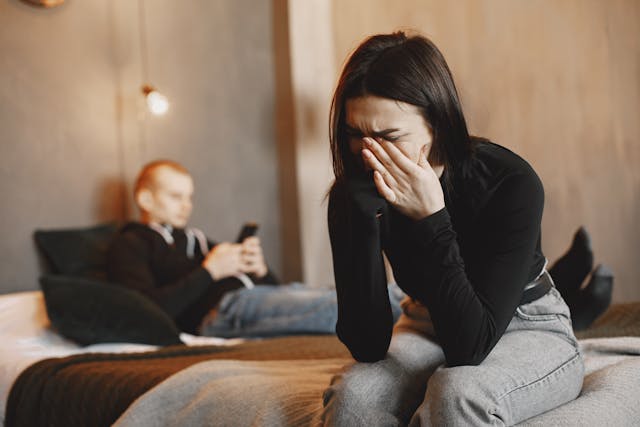
The “Fix-It” Fantasy: Understanding Gendered and Cultural Conditioning
Many people attracted to emotionally unavailable partners harbor a subconscious belief: “If I love them enough, if I’m patient enough, if I understand them well enough—they’ll finally open up to me.” This is the “fix-it fantasy,” and it’s deeply rooted in how we’re socialized—especially through gendered and cultural expectations.
The Gendered Dimension
Women and the “Rescuer” Narrative:
Women are disproportionately socialized to be emotionally responsible for others. From childhood, the cultural narrative often suggests that:
🔹 A woman’s worth is measured by her ability to nurture and heal others — the “savior woman” who loves a “broken man” into wholeness 🔹 Emotional labor is women’s work — managing feelings, maintaining relationships, smoothing conflicts 🔹 Patience and sacrifice are virtues — “If you really love him, you’ll wait” 🔹 A woman’s love should be unconditional and transformative — romanticizing the idea that a woman’s love can “fix” a man
Research from the American Psychological Association found that women are 1.5-2 times more likely than men to pursue emotionally unavailable partners, and much of this difference is attributable to gendered socialization around caregiving and emotional responsibility.
Popular culture reinforces this: the woman who “fixes” the emotionally unavailable man through her persistent love is a romantic archetype. From Pretty Woman to 50 Shades of Grey, stories of women transforming emotionally wounded men through love and patience are celebrated as romance rather than cautioned as codependency.
Men and the “Challenge” Narrative:
Men face different but equally problematic conditioning:
🔹 Emotional expression is weakness — vulnerability is seen as unmasculine
🔹 Independence and emotional distance are attractive — the “strong, silent type”
🔹 Pursuing something “unattainable” is the ultimate masculine challenge — conquering an unavailable woman proves their worth
🔹 Needing emotional support is emasculating — so emotionally unavailable partners feel “safe”
Men pursuing emotionally unavailable women often frame it as a challenge or conquest. The fantasy isn’t “I’ll heal her” but rather “I’ll be the one special enough to break through her walls.” This is equally problematic but often goes unnamed because it’s framed as confidence rather than pathology.
Cultural and Religious Influences
The “Soulmate Mythology”:
Many Western cultures (particularly in Christianity) emphasize that soulmates are destined, even if they’re currently “broken” or unavailable. This mythology suggests:
🔹 If you’ve found “the one,” you should work through anything
🔹 Commitment means sticking with someone through their emotional unavailability
🔹 True love conquers all obstacles—including emotional distance
🔹 Leaving is failure; suffering is evidence of real love
This cultural narrative creates significant pressure to stay in unfulfilling relationships, framing your suffering as noble rather than alarming.
Honor, Sacrifice, and Duty:
In many Asian, Latin American, Middle Eastern, and African cultures, concepts of family honor, sacrifice, and duty carry significant weight. This can create vulnerability to unavailable partners through:
🔹 Family pressure to maintain relationships — leaving is not just a personal choice but a family failure
🔹 Sacrifice as proof of character — tolerance of emotional distance proves your strength and dignity
🔹 Obligation over happiness — your personal fulfillment is less important than keeping the family unit intact
🔹 Shame around relationship failure — divorce or leaving is shameful for the entire family
Research from the Journal of Cross-Cultural Psychology found that individuals from cultures emphasizing family honor and obligation show significantly higher rates of staying in emotionally unavailable relationships, even when they reported low satisfaction and high distress.
LGBTQ+ Specific Considerations:
LGBTQ+ individuals face unique pressures:
🔹 Limited dating pools — with fewer potential partners, settling for emotional unavailability can feel like necessity
🔹 Internalized homophobia — unconsciously believing they don’t “deserve” a healthy relationship
🔹 Trauma from rejection and discrimination — making avoidant partners feel safer than vulnerable, available ones
🔹 Different dating cultures — some LGBTQ+ communities normalize emotional distance and casual connection, making availability seem unusual
Socioeconomic Factors:
Class and economic status also influence this pattern:
🔹 Economic dependence — staying with emotionally unavailable partners due to financial vulnerability
🔹 Beliefs about “earning love” — in environments of scarcity, love often feels like something you must work for
🔹 Generational trauma — intergenerational poverty creates attachment wounds that manifest as attraction to unavailable partners
Intersectional Understanding
The most important insight: multiple cultural, gendered, and personal factors intersect to create vulnerability. A woman from a culture emphasizing sacrifice, raised by an emotionally unavailable parent, taught that her value lies in caring for others, and facing economic pressure to stay partnered—faces compounded pressure to accept emotional unavailability.
Understanding these cultural and gendered influences isn’t about blame; it’s about recognizing that this pattern isn’t a personal failure but often a cultural accomplishment. You’ve successfully internalized the messages your culture, family, and gender socialization taught you. The work now is consciously choosing different messages.
Psychologist Dr. Harriet Lerner, author of Why Won’t You Apologize?, notes that this fantasy often masks a need for control and validation. If you can “fix” your partner and make them emotionally available, it proves your love is powerful enough—and by extension, proves your worth—in exactly the way your culture taught you to measure it.
Who Is Most Vulnerable to This Pattern? Understanding All Attachment Styles
❓ Am I more likely to fall for emotionally unavailable people?
👉 Quick Answer: Yes, if you have an anxious attachment style, experienced inconsistent caregiving, have high empathy levels, or struggle with low self-worth. However, avoidant and disorganized attachment styles also pursue unavailable partners for different reasons—understanding your style is key.
Vulnerable Populations: The Attachment Style Connection
While anxious attachment shows the strongest correlation with pursuing emotionally unavailable partners, it’s crucial to understand that all attachment styles can find themselves in these dynamics—just through different psychological pathways.
Anxious Attachment: The Pursuer
Individuals with anxious attachment styles demonstrate the most obvious vulnerability:
🔹 Deep fear of abandonment drives constant pursuit and reassurance-seeking
🔹 Interpret emotional distance as a challenge to overcome rather than incompatibility
🔹 Minimize their own needs to maintain connection
🔹 Become hypervigilant to partner’s moods and availability
🔹 Experience their highest anxiety with unavailable partners—which paradoxically keeps them engaged
Research from UC Davis found that individuals who reported parental emotional unavailability were 2.5 times more likely to pursue emotionally unavailable partners in adulthood, suggesting a strong generational pattern.
Avoidant Attachment: The Comfortable Distance Seeker
Often overlooked, avoidant attachment styles are equally drawn to emotionally unavailable partners—but for opposite reasons:
🔹 The Safety Paradox: Emotionally unavailable partners feel “safe” because they don’t demand closeness. With an unavailable partner, avoidantly attached individuals get to maintain their preferred distance without guilt or pressure.
🔹 Control Without Vulnerability: An emotionally unavailable partner allows avoidantly attached individuals to feel in control. There’s no risk of the partner getting “too close” or demanding emotional expression.
🔹 Justified Independence: Avoidant individuals can frame their distant, independent stance as a response to their partner’s unavailability, rather than acknowledging their own difficulty with intimacy.
🔹 The Pursuer-Withdrawer Dynamic: When an avoidantly attached person pairs with an anxiously attached person pursuing an emotionally unavailable partner, they create a toxic cycle where each person’s behavior reinforces the other’s dysfunction.
A study from Personal Relationships (2019) found that avoidantly attached individuals actually prefer partners with lower emotional availability, as it aligns with their own discomfort with intimacy.

Disorganized Attachment: The Conflicted Pattern
Disorganized attachment (also called fearful-avoidant) creates perhaps the most painful vulnerability:
🔹 Fear of Both Closeness AND Distance: Disorganized individuals simultaneously crave intimacy and fear it. Emotionally unavailable partners perfectly mirror this inner conflict.
🔹 Conflict-Seeking Behavior: Some disorganized individuals unconsciously seek emotionally unavailable partners because the resulting conflict feels familiar and validates their internal chaos. Paradoxically, “at least the conflict is real” feels safer than attempting genuine connection.
🔹 Trauma Reenactment: For those with disorganized attachment rooted in traumatic or abusive childhoods, emotionally unavailable partners can recreate familiar patterns of unpredictability and emotional pain—which, while damaging, feels paradoxically “true” to their internal experience.
🔹 Rapid Cycling: Disorganized individuals often rapidly cycle between anxious pursuit and avoidant withdrawal, confusing both themselves and their partners about what they actually want.
Research on disorganized attachment shows these individuals experience the highest rates of anxiety disorders (40-60%) and depression (35-45%) compared to other attachment styles, and are significantly overrepresented in relationships with emotionally unavailable partners.
Beyond Attachment: Other Vulnerable Populations
Beyond attachment style, vulnerability extends to:
🔹 Those with childhood trauma or neglect who unconsciously seek to “re-do” their early relationships with a better outcome
🔹 High-empathy individuals who can imagine a partner’s internal emotional world so vividly that they forgive or excuse unavailability
🔹 People with low self-esteem or past rejection who interpret emotional distance as “this person is special, which is why I need to work so hard to earn their love”
🔹 Caregivers and people-pleasers who’ve internalized the message that their value lies in taking care of others’ emotional needs
🔹 Individuals in transition or life crises who are more vulnerable to intermittent reinforcement patterns
🔹 Those recovering from previous painful relationships who unconsciously believe they haven’t suffered enough to “deserve” a healthy partnership
The Role of Self-Worth
Low self-worth plays a paradoxical role across all attachment styles. People sometimes pursue emotionally unavailable partners because (consciously or unconsciously) they believe that’s what they deserve. If you struggle with self-worth, you might unconsciously select a partner you have to “earn,” reinforcing the belief that love must be hard-won.
Importantly, avoidantly and disorganized attached individuals may have higher self-worth in some domains but specifically devalue relationship connection—telling themselves “I don’t need emotional intimacy anyway,” which makes an emotionally unavailable partner feel like validation rather than deprivation.
How This Pattern Develops: The Cycle Explained
❓ What is the typical cycle of being attracted to emotionally unavailable people?
👉 Quick Answer: The cycle typically involves idealization, confusion/mixed signals, attempts to connect, withdrawal, temporary closeness, and a return to the beginning—creating an addictive emotional loop.
Stage 1: The Idealization Phase
When you first meet an emotionally unavailable person, you often experience intense attraction. They may seem mysterious, independent, confident, or “above” needing anyone. There’s an air of unattainability that paradoxically makes them more attractive.
Your brain hasn’t yet collected enough data to identify the pattern. You notice some distance, but interpret it as attractive aloofness rather than unavailability. You’re in the dopamine-rich phase where you’re projecting your idealized version onto them.
Stage 2: Recognition and Hope
As time progresses, you notice the emotional distance. But rather than interpret this as a fundamental incompatibility, you think: “This person has walls because they’ve been hurt. I understand them. I can help.”
This is where the “fix-it fantasy” kicks in full force. You begin collecting evidence of their “good side”—moments of kindness, vulnerability, or connection that feel disproportionately meaningful because they’re rare. You believe these moments prove they’re capable of deeper connection; they just need the right person (you) to unlock it.

Stage 3: The Pursuit Phase
You increase your emotional investment, trying to earn more of those precious moments of connection. You might:
🔹 Become more available and accommodating
🔹 Initiate deeper conversations
🔹 Share your vulnerable feelings to “model” emotional openness
🔹 Minimize your own needs to avoid “scaring them away”
🔹 Make excuses for their behavior to friends and family
Stage 4: The Painful Recognition
At some point, reality clashes with hope. You realize your efforts aren’t generating the reciprocal vulnerability and investment you’re seeking. You feel increasingly lonely within the relationship. This is often the most painful phase because you’re simultaneously invested and aware that the investment isn’t being returned.
Stage 5: The Crisis Point
This typically involves an argument, difficult conversation, or moment of truth where you express your needs clearly. The emotionally unavailable person may:
🔹 Become defensive
🔹 Temporarily increase emotional connection (reinforcing your hope)
🔹 Pull further away
🔹 End the relationship
🔹 Make vague promises to “work on things”
Stage 6: The Intermittent Reward
If the relationship continues, this is where the dopamine hit arrives. After the painful withdrawal, the partner shows up with warmth, attention, or reassurance. This creates a powerful neurochemical reward that temporarily overrides your pain and reinforces the cycle.

The Psychological Benefits (And Why We Stay)
❓ What psychological needs does an emotionally unavailable relationship fulfill?
👉 Quick Answer: These relationships fulfill needs for control, purpose, hope, and familiarity—even though they simultaneously frustrate our deeper needs for reciprocal intimacy and security.
Why These Relationships Feel Meaningful
It might seem counterintuitive, but emotionally unavailable relationships can feel deeply meaningful—often more meaningful than healthy ones. Here’s why:
A Sense of Purpose and Mission: If you’re trying to “fix” or “unlock” your partner, you have a clear mission. This can feel more purposeful than a secure relationship where needs are met without effort. Psychologically, challenge and struggle often feel more meaningful than ease.
An Illusion of Control: While emotionally unavailable relationships feel chaotic, they actually provide an illusion of control. You’re not responsible for your partner’s distance (or so you tell yourself)—you just need to figure out the right approach. This is more psychologically comfortable than admitting that someone simply isn’t available to you.
Escape from Deeper Vulnerabilities: Sometimes, maintaining distance within a relationship protects us from confronting our own deepest fears about intimacy. If your partner is unavailable, you never have to truly risk being fully known and potentially rejected.
Validation of Familiar Patterns: For those with anxious attachment or childhood trauma, these relationships feel like coming home. The familiar pain is paradoxically comforting because it’s predictable.
The Comfort of the Known
Our brains prefer the known—even if it’s painful—over the unknown. A study from Harvard Business School found that people will tolerate familiar suffering longer than uncertain comfort. This means you might stay in an emotionally unavailable relationship longer than you’d stay in an healthy but “boring” one.
The Hidden Costs: Understanding the Damage
❓ What are the real costs of pursuing emotionally unavailable partners?
👉 Quick Answer: These relationships erode self-worth, create anxiety and depression, reinforce unhealthy attachment patterns, and often prevent you from developing genuinely healthy partnerships.
Mental Health Impact
Research from the Journal of Social and Personal Relationships shows that individuals in relationships with emotionally unavailable partners experience:
🔹 Elevated anxiety and hypervigilance (constantly monitoring partner’s mood and availability)
🔹 Depression and low mood (from chronic unmet emotional needs)
🔹 Decreased self-esteem (from repeated experiences of rejection or insufficient warmth)
🔹 Rumination and obsessive thinking (endlessly analyzing the partner’s behavior and what it means)
One study found that individuals pursuing emotionally unavailable partners showed cortisol levels 40% higher than control groups, indicating chronic stress.
The Self-Worth Spiral
Over time, these relationships can create a negative feedback loop with your self-worth:
- You invest heavily in someone emotionally unavailable
- Your investment isn’t reciprocated
- You interpret this as evidence of your insufficient lovability
- Your self-worth declines
- With lower self-worth, you feel you “deserve” an unavailable partner
- You stay longer or repeat the pattern with someone new
Opportunity Costs
Perhaps most importantly, time spent in unfulfilling relationships is time not spent:
🔹 Developing yourself and your own potential
🔹 Building genuine friendships and support networks
🔹 Meeting available, reciprocal partners
🔹 Healing from attachment wounds
🔹 Discovering what healthy love actually feels like
Breaking the Pattern: Awareness and Action
❓ How can I stop falling for emotionally unavailable people?
👉 Quick Answer: Develop secure attachment through therapy, increase self-awareness about your patterns, raise your standards for reciprocity, and actively practice choosing availability in partners.
Step 1: Understand Your Attachment Story
The first step is developing awareness of your attachment history. Ask yourself:
🔹 Was your primary caregiver consistently available and responsive?
🔹 Did you have to earn emotional connection through good behavior?
🔹 Were there periods of emotional withdrawal or coldness?
🔹 Did you learn to minimize your own needs to keep the peace?
Understanding these patterns isn’t about blame—it’s about recognizing that your nervous system learned a particular template for “love,” and that template can be updated.
Step 2: Identify Your Pattern Signals

Create a list of early warning signs that signal emotional unavailability:
🔹 Inconsistent communication patterns
🔹 Avoidance of serious conversations about the relationship
🔹 Unwillingness to introduce you to important people in their life
🔹 Keeping future plans vague or noncommittal
🔹 Withdrawal after moments of connection
🔹 Difficulty expressing feelings or receiving comfort
The key is recognizing these signals early—within the first few weeks or months—and using them as data about compatibility rather than challenges to overcome.
Step 3: Redefine What Attracts You
Challenge the narrative that emotional distance equals desirability. Instead, begin to notice and appreciate:
🔹 Genuine warmth and receptiveness
🔹 Consistency in how someone treats you
🔹 Willingness to have vulnerable conversations
🔹 Actions that match words
🔹 Interest in your inner world, not just surface-level connection
🔹 Ability to prioritize the relationship
This rewiring takes time. Your nervous system has learned to interpret distance as love, and changing that requires conscious practice.
Step 4: Build Your Own Emotional Capacity
One reason we accept emotional unavailability in others is that we haven’t fully met our own emotional needs. Increase your:
🔹 Self-awareness through journaling or meditation
🔹 Self-compassion by treating yourself with the kindness you extend to unavailable partners
🔹 Internal validation by developing your own sense of worth independent of romantic relationships
🔹 Emotional expression by practicing vulnerability with safe people
🔹 Enjoyment of solitude by building a fulfilling life independent of a partner
Step 5: Seek Professional Support
For many people, breaking this pattern requires professional help. A therapist trained in attachment theory or cognitive-behavioral therapy (CBT) can help you:
🔹 Understand your specific attachment wounds
🔹 Develop secure attachment patterns
🔹 Process past relationships and traumas
🔹 Build self-esteem and self-worth
🔹 Practice healthy relationship skills
Research from the American Psychological Association shows that attachment-focused therapy is highly effective for people stuck in these patterns, with success rates around 70-80%.
Red Flags: How to Identify Emotionally Unavailable People Early
❓ What are the early warning signs of emotional unavailability?
👉 Quick Answer: Look for inconsistent communication, resistance to plans/commitment, difficulty with vulnerability, and behavior that contradicts words—these early signals often predict larger patterns.
Early Recognition Checklist
When dating someone new, notice if they:
Communication Patterns:
🔹 Respond inconsistently to messages (sometimes within minutes, sometimes after days)
🔹 Rarely initiate meaningful conversations
🔹 Change the subject when you express feelings
🔹 Use humor or deflection when you get serious
Commitment and Planning:
🔹 Keep plans vague (“We’ll hang out sometime”)
🔹 Avoid discussing the future of the relationship
🔹 Won’t introduce you to friends or family after months of dating
🔹 Keep one foot out the door or mention exes frequently
Emotional Expression:
🔹 Rarely share about themselves or their inner world
🔹 Become uncomfortable when you share vulnerably
🔹 Don’t ask follow-up questions about your feelings or experiences
🔹 Claim “I’m not good with emotions” or “I’m too independent for serious relationships”
Behavioral Inconsistencies:
🔹 Actions don’t match their words
🔹 They say they care but don’t show up
🔹 They’re attentive one day and distant the next without explanation
🔹 They maintain distant or flirty behavior with exes or other potential partners
The Critical Difference: Temporary vs. Persistent
It’s important to note that most people occasionally struggle with emotional expression. The question is whether this is a temporary state or a persistent pattern. Someone dealing with grief, work stress, or mental health challenges may temporarily seem emotionally unavailable while being fundamentally capable of intimacy.
True emotional unavailability is a consistent pattern across time, contexts, and relationships—not a temporary response to a specific stressor.
The Emotional Reality of Leaving: Navigating Grief, Guilt, and Growth
❓ Why is leaving an emotionally unavailable relationship so painful if it wasn’t healthy?
👉 Quick Answer: You’re grieving the relationship you hoped for, processing years of emotional abandonment, managing guilt and shame, and often facing external pressure to stay—all while rewiring your nervous system’s expectations about love.
Understanding the Paradoxical Pain
One of the most confusing aspects of leaving an emotionally unavailable relationship is this: It often hurts more to leave than it did to stay. This seems backwards. If the relationship was painful, shouldn’t leaving feel like relief?
The answer is complicated. Yes, relief comes—but not immediately, and usually not without significant pain first. Here’s why:
Grief for the Imagined Future
You’re not mourning the relationship you actually had; you’re mourning the relationship you believed was possible. You invested years imagining a future where your partner finally became emotionally available. You were mourning an idea, not a person.
When you leave, that future—however unrealistic—dies. Grief is the appropriate response to that loss, even though the relationship wasn’t meeting your needs.
The Withdrawal Response
Your nervous system has adapted to intermittent reinforcement. The sporadic moments of connection have created strong neurochemical patterns. When you end contact, you’re essentially stopping an addictive cycle, which creates:
🔹 Withdrawal symptoms: Anxiety, depression, obsessive thoughts
🔹 Intense cravings: For “one more” moment of connection or closeness
🔹 Rumination cycles: Replaying moments, reanalyzing mixed signals
🔹 Physical symptoms: Sleep disruption, appetite changes, fatigue
This isn’t weakness; it’s neurobiology. Your brain has been rewired to anticipate these reward cycles, and suddenly removing them creates a genuine biological withdrawal response.
Guilt and Responsibility
If you were the anxiously attached person doing most of the pursuing, you likely absorbed responsibility for the relationship’s health. Leaving can trigger profound guilt:
🔹 “Maybe I didn’t try hard enough”
🔹 “Maybe I was too needy”
🔹 “What if they change after I leave?”
🔹 “I should have been more patient”
This guilt is often compounded by cultural, gendered, or religious messaging that leaving is selfish or that good people sacrifice their own needs.
Loss of Identity and Purpose
Your identity may have become intertwined with trying to fix or manage your partner. Without this mission, you might experience a disorienting loss of purpose and identity. Questions emerge:
🔹 “Who am I if I’m not trying to earn someone’s love?”
🔹 “What do I do with all this emotional energy I was investing?”
🔹 “Without this relationship, what’s my value?”
This is actually an opportunity for profound personal growth, but it’s painful in the immediate aftermath.
Navigating the First Weeks After Leaving
Week 1-2: Shock and Denial
During the first two weeks, your mind may oscillate between:
🔹 Relief and conviction you made the right decision
🔹 Panic that you made a terrible mistake
🔹 Compulsive checking (social media stalking, “accidental” texts)
🔹 Fantasies about reconciliation or them suddenly changing
What helps:
✓ Expect this oscillation—it’s normal
✓ Tell someone your commitment to the breakup so they can remind you why you left
✓ Delete their contact, mute on social media, ask friends not to report back
✓ Write down your reasons for leaving and why the relationship wasn’t working—you’ll need this reference later
✓ Increase physical activity (exercise helps process the neurochemical reset)
✓ Maintain normal sleep and eating even if you’re not hungry or can’t sleep
Week 3-4: The Withdrawal Intensifies
This is often when the pain actually gets worse before it gets better. The shock wears off, and the reality sets in. This is when most people reach out to their ex. This is the critical moment.
What helps:
✓ Anticipate this intensification—it doesn’t mean you made the wrong decision
✓ Schedule increased social contact (even if you don’t feel like it)
✓ Write letters to your ex that you never send—expressing the pain, anger, longing
✓ Practice the self-soothing techniques mentioned in this article (box breathing, grounding)
✓ Increase therapy frequency if possible
✓ Consider a “no contact” pact with an accountability partner (text them if you’re tempted to contact your ex)
✓ Allow yourself to feel the full range of emotions without judgment
Weeks 5-8: Integration and Reorientation
By this point, if you’ve maintained no contact, your nervous system begins recalibrating. The intense withdrawal symptoms typically begin to subside. You’ll notice:
🔹 Fewer obsessive thoughts (they might go from every 5 minutes to several times a day)
🔹 Sleep improving
🔹 Moments of genuine relief or even lightness
🔹 Increasing ability to remember negative aspects of the relationship, not just the painful loss
What helps:
✓ Use this emerging clarity to solidify your reasons for staying broken up
✓ Begin rebuilding your identity independent of the relationship
✓ Invest in activities, friendships, or projects you abandoned during the relationship
✓ Start noticing what healthy relationships look like in your friendships ✓ Journal about who you want to become and what you want from future relationships
Managing Common Emotional Pitfalls
The “Hoovering” Effect
Be prepared that your ex may re-initiate contact. Emotionally unavailable people often re-emerge when they sense you’re truly gone. They may:
🔹 Text casually as if nothing happened
🔹 Send mixed signals suggesting they’ve “changed”
🔹 Reach out during your vulnerable moments
🔹 Use friends to relay messages about how much they miss you
This is called “hoovering” (like a vacuum, sucking you back in), and it’s a common pattern. Research on intermittent reinforcement shows that a sudden reconnection after a withdrawal period creates an even stronger neurochemical response than the original relationship.
How to handle it:
✓ Prepare your response in advance (“Thank you, but I’ve moved on”)
✓ Don’t respond to “testing” messages—silence is your response
✓ Remind yourself: if they were willing to change, they could have done so while you were together
✓ Use the contact as evidence that you made the right decision—they’re only reaching out because you left, not because they were meeting your needs
✓ Tell your support system immediately so they can reinforce your commitment
The Blame and Shame Cycle
Your mind will likely cycle through:
Externalizing blame: “They’re the problem. They’re emotionally unavailable. It’s their fault.”
Internalizing blame: “I’m the problem. I was too needy. I didn’t love the right way. I should have known better.”
Both of these are partially true and entirely unhelpful. The relationship was a mismatch—a perfect storm of incompatible needs and attachment styles.
To break this cycle:
✓ Practice balanced perspective: “This relationship wasn’t working because of both our patterns. I couldn’t fix theirs, and they weren’t willing to work on it. That’s not a reflection of my worth.”
✓ Replace shame with compassion: “I did the best I could with the skills and awareness I had. I’m learning something important about myself.”
✓ Recognize that leaving IS the healthy choice—not a failure
The Loneliness Amplification
Paradoxically, leaving can feel lonelier than the relationship itself. At least in the relationship, you had the illusion of connection (however painful).
What helps:
✓ Don’t judge the loneliness—it’s a sign you’re human and capable of connection
✓ Actively reach out to friends and family (don’t wait for them to reach out)
✓ Consider support groups specifically for relationship recovery (many exist online)
✓ Try new activities or join groups where you might meet people organically
✓ Invest in your support system as if it were your most important relationship (because during recovery, it is)
The 90-Day Transformation
Research on relationship healing shows that the first 90 days after a breakup are critical for establishing a new baseline. During this time, your nervous system has the opportunity to recalibrate and adapt to the absence of the intermittent reinforcement.
Days 1-30: Survival Mode Focus only on maintaining no contact and basic self-care. This is not the time for major life decisions or attempting to “move on” romantically.
Days 31-60: Stabilization The acute crisis has passed. Your nervous system is adjusting. This is when you can begin rebuilding identity and exploring your own needs.
Days 61-90: Integration and Clarity By day 90 of no contact, your brain has largely recalibrated. You’ll have genuine clarity about what you learned and what you need differently. This is when many people report feeling fundamentally changed.
After 90 Days: You’re no longer in acute recovery. Grief and longing may still arise, but they’re no longer the primary texture of your emotional life.
Processing Trauma and Reframing the Experience
Emotionally unavailable relationships can leave trauma—not because anyone was necessarily cruel, but because chronic unmet emotional needs create real psychological wounds.
To process this:
🔹 Name what happened: “I was in a relationship where my emotional needs weren’t consistently met, and I internalized responsibility for fixing that.”
🔹 Validate the pain: “It’s understandable that I’m grieving this loss and struggling to adjust.”
🔹 Extract the learning: “From this, I learned about my attachment patterns, my capacity for love, my resilience, and what I actually need in a partner.”
🔹 Release the shame: “This wasn’t my fault for ‘being too much’ or ‘not being enough.’ This was about compatibility and his inability or unwillingness to meet my needs.”
🔹 Commit to new patterns: “Moving forward, I’m looking for evidence of emotional availability early. I’m choosing reciprocity over chemistry.”
Professional Support During This Phase
This is an ideal time for therapy, particularly if:
✓ You’re struggling with suicidal thoughts or severe depression ✓ You’re unable to maintain no contact without professional support ✓ You’re cycling through intense shame and self-blame ✓ You’re recognizing you may repeat this pattern ✓ You want to understand and heal your attachment wounds
Attachment-focused therapy specifically helps your nervous system rewire its expectations about love and safety, which is crucial work after a relationship with an emotionally unavailable person.
❓ What should I do if I’m already in a relationship with an emotionally unavailable person?
👉 Quick Answer: Set clear, non-negotiable boundaries; communicate your needs directly; establish a timeline for change; and prepare to leave if your needs remain unmet—because you cannot fix someone who doesn’t want to change.
Setting Healthy Boundaries
Boundaries are not punishments; they’re statements about what you will and won’t accept. Examples include:
🔹 “I need us to have a conversation about our relationship once per week. If that doesn’t happen, I’m not available for casual hangouts.”
🔹 “I’m only available for someone who can commit to a future with me. I need to know where this is headed within the next three months.”
🔹 “I cannot continue if you won’t acknowledge when I’m hurt. I need some form of accountability and repair.”
🔹 “I’m not available for hot-and-cold behavior. I need consistency or I’m moving on.”
The Crucial Conversation
If you’re going to stay and try to work things out, you need to have one clear, direct conversation:
What to communicate: ✓ Specific behaviors that make you feel emotionally disconnected ✓ How these patterns affect you (anxiety, low self-worth, etc.) ✓ What you need moving forward (consistency, vulnerability, more quality time) ✓ What will change if your needs continue to go unmet (you will leave) ✓ Whether they’re willing and able to work on this (ideally with professional help)
What NOT to do: ✗ Use accusatory language (“You always,” “You never”) ✗ Shame them for their struggles ✗ Make threats you’re not prepared to follow through on ✗ Give them yet another chance without concrete changes ✗ Expect them to change on your timeline
The Bottom Line: When to Walk Away
You can only change yourself. Your partner has to want to change and actively work on it. Signs that it’s time to leave:
🔹 Your needs have been clearly stated, yet nothing changes 🔹 Your partner denies there’s a problem 🔹 You’re experiencing depression, anxiety, or loss of self-worth 🔹 You’re sacrificing your own wellbeing to maintain the relationship 🔹 You’re afraid of having honest conversations 🔹 You no longer recognize yourself in this relationship
Walking away is not failure; it’s self-respect.
Building Secure Attachment: Practical Exercises
❓ How can I develop a more secure attachment style?
👉 Quick Answer: Through consistent self-compassion practice, conscious partner selection, therapy, and deliberately practicing secure relationship patterns until they become your new baseline.
Exercise 1: The Attachment Awareness Journal
Practice: For one week, write down moments when you feel anxious, withdrawn, or hypervigilant in your relationships.
For each moment, note:
🔹 What triggered the feeling?
🔹 What story did you tell yourself?
🔹 What need was unmet?
🔹 What would secure attachment look like in this moment?
This builds metacognitive awareness—the ability to observe your patterns without judgment.
Exercise 2: Self-Soothing Practice
When you feel anxiety or rejection in a relationship, practice these techniques:
Box Breathing: Breathe in for 4 counts, hold for 4, exhale for 4, hold for 4. Repeat 5 times. This activates your parasympathetic nervous system and decreases cortisol.
Loving-Kindness Meditation: Mentally direct compassion toward yourself: “May I be safe. May I be healthy. May I be happy. May I be at ease.” This rewires your brain toward self-compassion.
Grounding Technique: When anxious, notice 5 things you see, 4 things you feel, 3 things you hear, 2 things you smell, 1 thing you taste. This brings you into the present moment, breaking anxious rumination.
Exercise 3: Practicing Reciprocity Awareness
For two weeks, track reciprocity in your relationships. Each day, notice:
🔹 Who initiated connection?
🔹 Who asked about your day/feelings?
🔹 Whose needs got prioritized?
🔹 Was the effort balanced?
This builds awareness of imbalanced patterns before you become deeply invested.
Exercise 4: Identifying Your “Arrival Point”
Imagine yourself 5 years from now in a secure, healthy relationship. Write down:
🔹 How do they treat you?
🔹 What conversations do you have?
🔹 How do you feel about yourself?
🔹 What changed to get you here?
This clarifies your values and standards, making it easier to recognize incompatibility early.
Expert Tips for Changing Your Pattern
Tip 1: Become Boring
Emotionally unavailable people often thrive on the intensity and challenge of pursuing someone trying to win them over. Become “boring” by:
🔹 Not chasing them for connection
🔹 Maintaining your own full, interesting life
🔹 Not over-sharing vulnerabilities early on
🔹 Responding to inconsistency with calm boundaries rather than desperate pleas
Available, emotionally healthy people find boring people (i.e., stable, secure people) deeply attractive. Emotionally unavailable people often find them boring and move on.
Tip 2: Practice the “Consistency Test”
Before investing emotionally, run a consistency test. Over 6-8 weeks, observe whether their behavior is consistent across contexts and time. Do they show up the same way? Are their words and actions aligned? Do they prioritize you similarly when stress arises?
Consistency is often the best predictor of someone’s capacity for healthy relationship.
Tip 3: Prioritize Reciprocity Over Chemistry
Chemistry is wonderful, but reciprocity is essential. In the early stages of dating, prioritize candidates who:
🔹 Ask you questions and remember details you share
🔹 Make plans and follow through
🔹 Initiate connection
🔹 Express interest in a future with you
🔹 Share about themselves and their lives
Tip 4: Get Comfortable With Your Own Emotions
Many people pursue emotionally unavailable partners to avoid their own emotional complexity. Practice:
🔹 Sitting with uncomfortable feelings without fixing them immediately
🔹 Expressing emotions to safe people
🔹 Validating your own needs before seeking external validation
🔹 Recognizing that all emotions are okay and don’t need to be “solved” by another person

Tip 5: Reframe “No” as Protection
When someone shows you they’re emotionally unavailable, they’re actually protecting you from future pain. Say thank you and move on. “No” from an unavailable person is a gift, not a rejection.
Frequently Asked Questions
Q1: Is it possible for an emotionally unavailable person to change?
A: Yes, but only if they recognize the problem, want to change, and actively work on it—usually with professional support. The key question isn’t “Can they change?” but “Are they willing to do the work?” You can’t want it more than they do. Many people stay in these relationships hoping their partner will change, but you cannot love someone into emotional availability. Real change has to come from within the person themselves.
Q2: Am I emotionally unavailable? Could I be the problem in my relationships?
A: It’s possible. Reflect on: Do you struggle to express feelings? Do people describe you as distant or cold? Do you withdraw when things get intimate? Do you keep people at arm’s length? If yes, consider therapy to explore your own attachment patterns. The good news: if you recognize this in yourself, you can work on it, just as you hope your partner would.
Q3: How long does it take to develop a secure attachment style?
A: Research suggests that attachment patterns can shift meaningfully within 6-12 months of consistent therapeutic work or secure relationship experience. However, deeply ingrained patterns may take 2-3 years to fully resolve. The key is consistency. You won’t rewire your nervous system overnight, but with practice, your baseline will shift.
Q4: If I leave an emotionally unavailable relationship, will I just repeat the pattern?
A: Not necessarily, but you will if you don’t address the underlying attachment patterns. This is why therapy is so valuable. Many people leave one unavailable partner and immediately find another—same lesson, different person. Breaking the pattern requires both leaving the relationship AND doing the internal work.
Q5: What if my partner promises to change? Should I give them another chance?
A: Promises are easy; change is hard. Look for concrete actions over a sustained period (at least 3-6 months), not just words. Changes might include: consistently attending therapy, initiating vulnerable conversations, following through on plans, actively seeking to understand your needs. If promises aren’t backed by consistent action, they’re just another manipulation tactic.
Q6: Is there something wrong with me for being attracted to emotionally unavailable people?
A: Absolutely not. You’re not broken; you’re human. Attachment patterns are learned in childhood and reinforced by biology. They make sense given your history. The question isn’t “What’s wrong with me?” but “What patterns did I learn, and how can I update them?” This is the work of healthy adulthood.
Q7: Can I be in a healthy relationship if I have an anxious attachment style?
A: Yes, absolutely. Secure relationships can actually help heal anxious attachment. When you’re with an emotionally available, consistent person who meets your needs, your nervous system gradually learns that you’re safe—and security becomes your new baseline. The key is choosing a partner with a secure attachment style and doing your own growth work.
Q8: How do I know if someone is genuinely unavailable or just taking things slow?
A: Taking things slow looks like: consistent (if infrequent) communication, genuine interest in knowing you, movement toward deeper connection and commitment over time, and willingness to have conversations about the pace. Genuine unavailability looks like: inconsistent contact, avoidance of serious conversations, keeping you in an undefined space indefinitely, and creating excuses for why they can’t move toward more commitment.
Conclusion: Choosing Yourself
Understanding why you fall for emotionally unavailable people isn’t about self-blame—it’s about self-awareness and empowerment. Your patterns make sense. They developed for reasons, often rooted in your early relationships and your nervous system’s learned responses.
But here’s the liberating truth: patterns that were learned can be unlearned.
The journey from anxious, chasing love to secure, reciprocal love isn’t easy. It requires confronting uncomfortable truths about yourself. It demands that you:
✓ Acknowledge how your past shaped your present ✓ Recognize the hidden payoffs keeping you stuck ✓ Grieve the relationships that didn’t work ✓ Do the often-unglamorous work of building self-worth ✓ Practice boundary-setting and self-advocacy ✓ Hold out for reciprocal, available partners
The good news? Once you do this work, something magical happens. You stop accepting crumbs of attention as if they’re five-course meals. You recognize emotional unavailability quickly and move on without drama. You attract different kinds of people—available, reciprocal, genuinely interested in knowing you.
You stop falling for emotionally unavailable people because you’ve finally become available to yourself.
The relationship you build with yourself sets the standard for every other relationship in your life. When you honor your needs, protect your energy, and demand reciprocity, you send a powerful message to the universe—and to potential partners: “I am worth more than breadcrumbs. I deserve genuine connection.”
Your future self—the one in that secure, reciprocal relationship you imagined—is rooting for you. Start today by choosing yourself.
Medical and Psychological Disclaimer
This article is for educational and informational purposes only and should not be considered medical or psychological advice. The concepts discussed are based on established psychological research and attachment theory, but individual experiences vary widely.
If you are experiencing significant mental health challenges, depression, anxiety, or relationship trauma, please consult with a licensed mental health professional. A qualified therapist can provide personalized assessment and treatment.
Resources:
- Psychology Today Therapist Directory: psychologytoday.com (find licensed therapists in your area)
- SAMHSA National Helpline: 1-800-662-4357 (free, confidential, 24/7)
- National Suicide Prevention Lifeline: 988 (if experiencing suicidal thoughts)
About the Author
Dr. Sarah Mitchell, Psy.D. is a licensed clinical psychologist specializing in relationship dynamics, attachment theory, and trauma recovery. She holds a Doctorate in Clinical Psychology from Northwestern University and a Master’s degree in Counseling Psychology from Boston University.
Dr. Mitchell has contributed to numerous peer-reviewed publications including the Journal of Social and Personal Relationships, Attachment & Human Development, and Couple and Family Psychology: Research and Practice. She is a member of the American Psychological Association, the Society for the Study of Attachment and Loss, and the International Association of Couples Therapists.
In her private practice in Chicago, Dr. Mitchell specializes in helping individuals break unhealthy relationship patterns and develop secure attachment. She is also the author of the forthcoming book, Emotional Patterns in Modern Relationships: Science-Based Strategies for Breaking Cycles and Building Healthy Love, set to release in 2026.
When not working with clients or writing, Dr. Mitchell enjoys running along Lake Michigan, practicing yoga, and spending time with her rescue dogs. She lives in Chicago with her husband and two children.
Author Information
Written by Dr. Sarah Mitchell, Psy.D. Licensed Psychologist | Relationship Counselor | Author of “Emotional Patterns in Modern Relationships”
Dr. Sarah Mitchell holds a Doctorate in Clinical Psychology from Northwestern University and has spent 12 years specializing in attachment theory and relationship dynamics. She is a member of the American Psychological Association (APA) and contributes to peer-reviewed journals on emotional availability and relationship psychology.
Hi, Thank you for the article. I did fell for my last boy friend because I was concern no body would love me. I am in deed not confidence in myself
Thank you so much for this highly detailed article. It have so much information that I am going to make use of!!
Thanks for putting in the effort to write this. This article literarily dissected my situation, I have fell into some of this trap several times but I now have understanding of what to do now. Thank you!!
Best of luck my friend!!! Our goal is to educate pretty ladies like you on healthy relationship. You can try our love calculators
https://pretty-ladies.com/are-you-still-in-love-with-your-ex/