
Let’s be honest—dating in 2025 feels like navigating a digital minefield. One day you’re optimistically swiping through profiles, the next you’re questioning whether genuine connection even exists anymore. If you’re reading this, you’re probably either diving back into the dating pool after a breakup, trying online dating for the first time, or just completely overwhelmed by the sheer number of apps promising to find your soulmate.

I get it. With over 300 million people worldwide using dating apps, the landscape has become both incredibly promising and utterly exhausting. The good news? There really is something for everyone now. The bad news? Figuring out which platform deserves your time (and money) can feel like a full-time job.
After spending way too much time researching user reviews, testing platforms myself, and talking to friends about their dating app horror stories and success stories, I’ve put together this comprehensive guide. Whether you’re 22 and looking for adventure or 55 and seeking genuine companionship, this breakdown will help you cut through the noise and find the right platform for your specific needs.
The Big Three: Where Most People Start
Hinge: The App That Actually Wants You to Delete It
Hinge has earned its reputation as the “relationship app” for good reason. Instead of mindless swiping, you’re responding to specific prompts like “The key to my heart is…” or “I’m overly competitive about…” It forces you to show personality beyond your best selfie angle.
What sets Hinge apart is its approach to conversation starters. Rather than the dreaded “Hey,” you can comment on specific photos or prompt responses, making those first messages feel more natural. The algorithm also learns from your behavior—if you consistently like certain types of profiles, it adjusts accordingly.
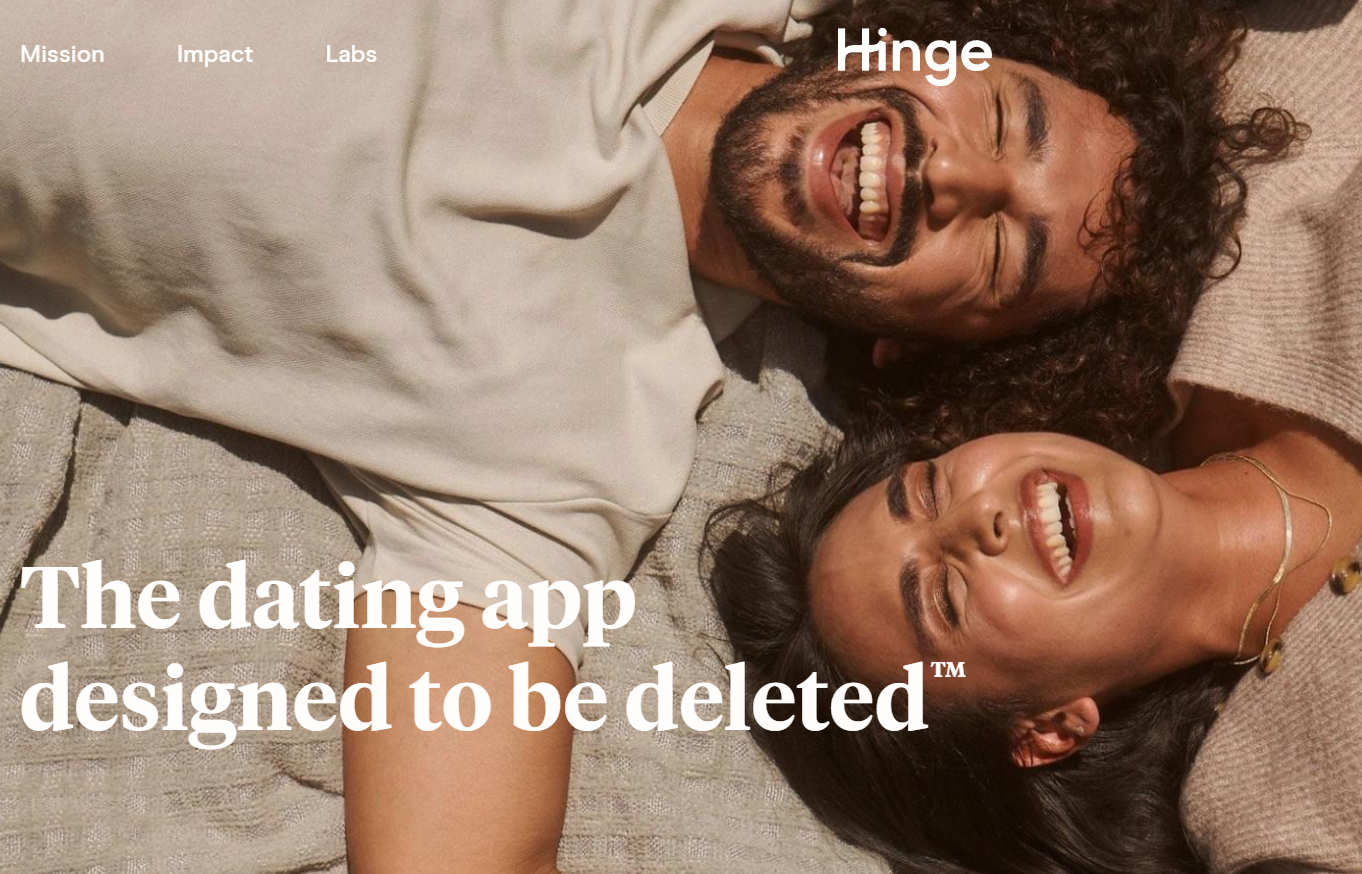
The downside? You get limited likes on the free version (around 8 per day), which can be frustrating when you’re on a roll. The premium version removes these limits and lets you see who’s already liked you, but at $15-25 per month, it’s not cheap.
Best for: People in their 20s and 30s who are tired of hookup culture and want something substantial.
Bumble: Flipping the Script on First Moves
Bumble’s claim to fame is simple: women message first. In same-sex matches, either person can initiate, but the concept remains the same—putting control back in the hands of people who traditionally get bombarded with unwanted messages.
Beyond dating, Bumble offers BFF mode for finding friends and Bizz for professional networking, making it more versatile than most apps. The 24-hour messaging window keeps conversations from dying in your match queue, though it can feel pressure-inducing if you’re not ready to chat immediately.
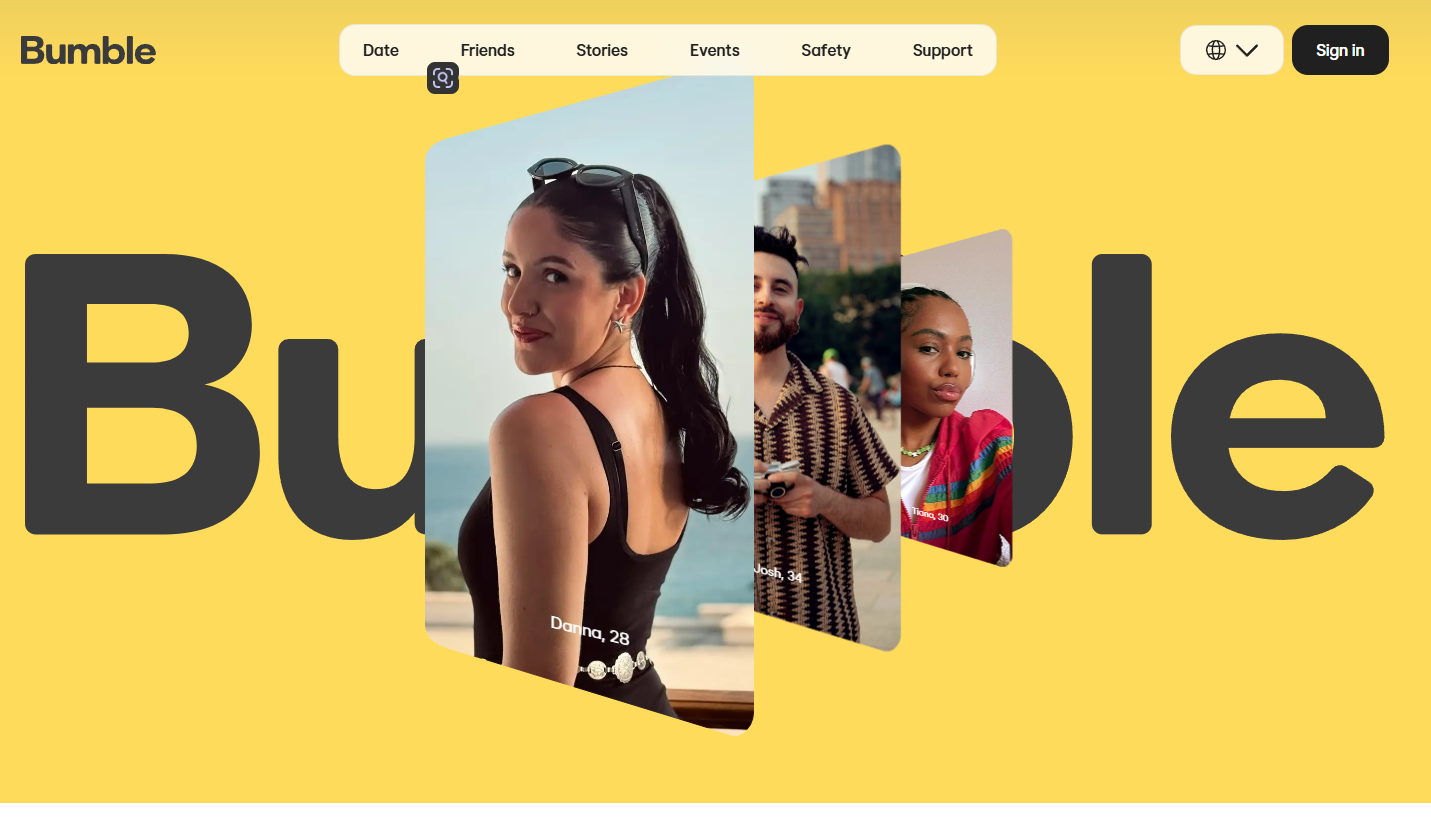
The interface is clean and user-friendly, with features like video calling and photo verification that add layers of safety. However, the premium tiers are among the priciest in the dating app world, with Bumble Premium running nearly $40 per month.
Best for: Women who want more control over their dating experience and professionals looking for well-rounded connections.
Tinder: The Godfather of Swiping
Love it or hate it, Tinder revolutionized online dating. With 75 million users worldwide, it offers the largest pool of potential matches you’ll find anywhere. The app has evolved beyond its hookup reputation, adding features like interests, prompts, and even an “Explore” page for themed browsing.
Tinder’s strength is its simplicity and reach. Traveling? Use Passport to connect with locals. Looking for something specific? The new algorithm considers your swiping patterns and conversation success rates. The “Double Date” feature even uses AI to help match groups of friends.
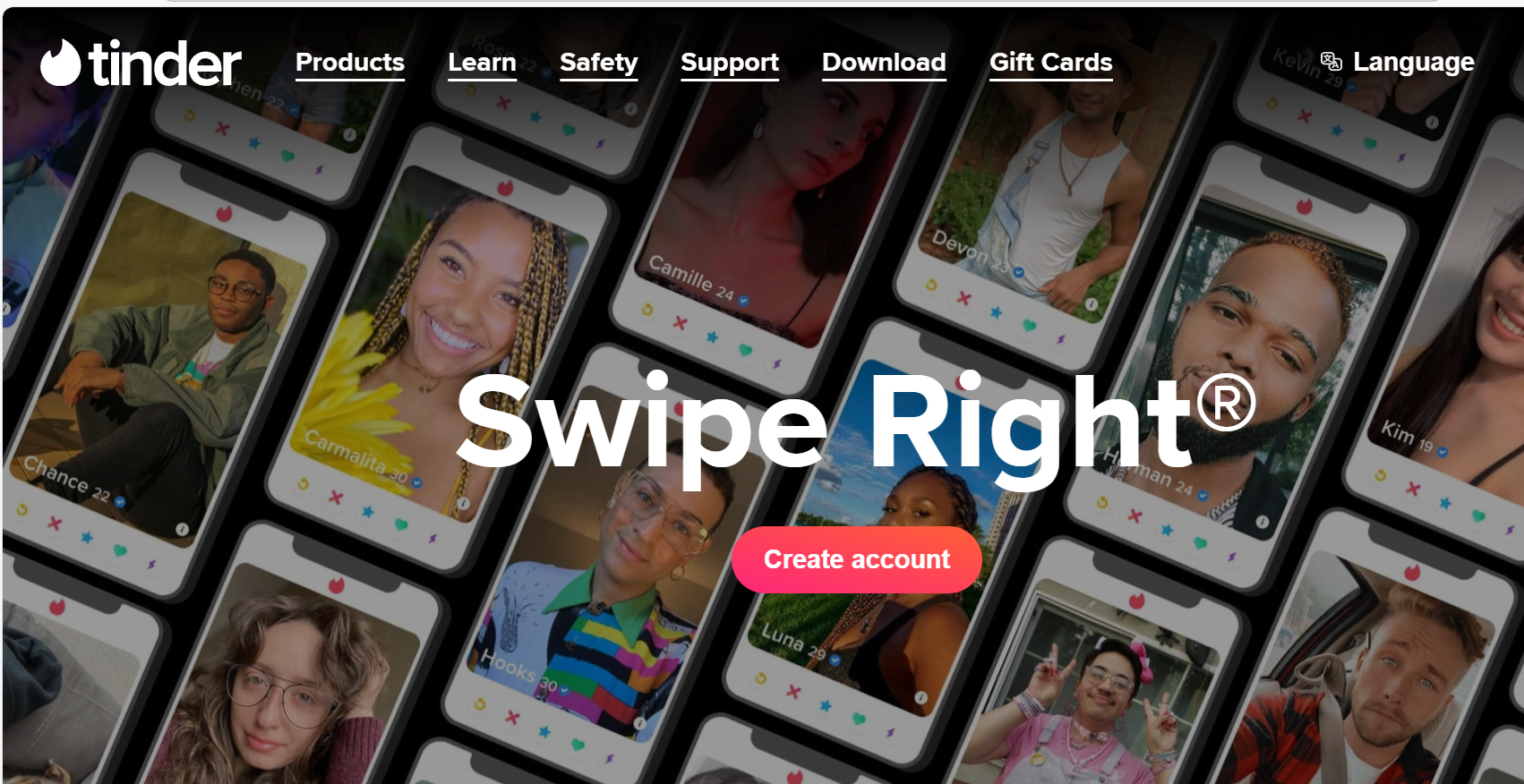
The downsides are well-documented: the free version is limited by likes and cluttered with ads, the massive user base can feel impersonal, and yes, it’s still primarily known for casual encounters rather than deep connections.
Best for: Anyone new to online dating, frequent travelers, or people comfortable with a high-volume, low-commitment approach.
The Personality-Driven Platforms
OkCupid: Where Data Meets Dating
OkCupid takes the opposite approach from swipe-happy apps. Their extensive questionnaire system—we’re talking thousands of potential questions—creates compatibility percentages that actually mean something. You can specify everything from political views to whether you want kids, with 22 gender options and 13 sexual orientations making it one of the most inclusive platforms available.
What I love about OkCupid is the desktop experience. While most dating apps force you onto mobile, OkCupid’s website lets you really dive into profiles and craft thoughtful messages. The unlimited likes on the basic version are refreshing, though you’ll need to pay to see who’s liked you.
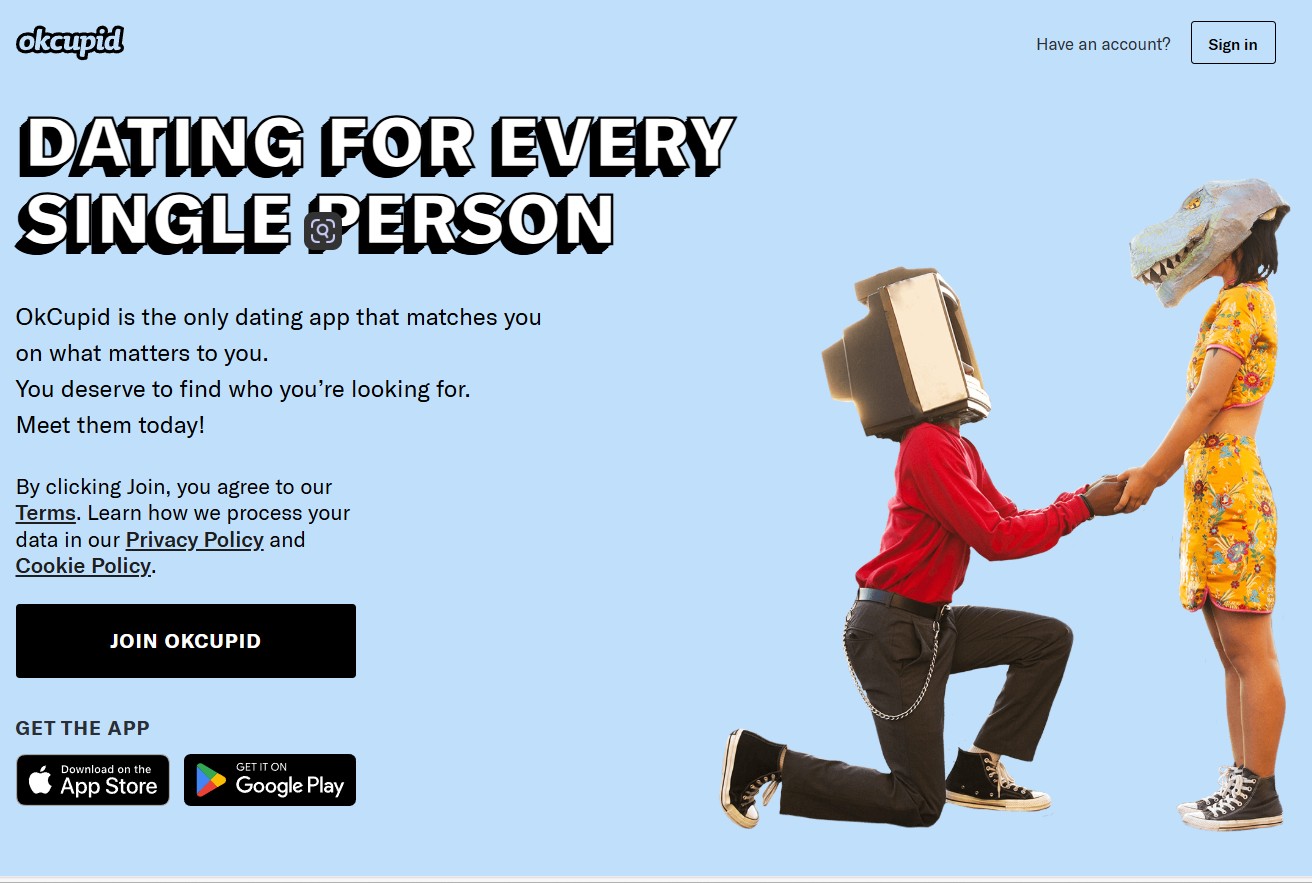
The platform has had some data privacy issues in the past, and the extensive profile options can attract fake accounts and bots. But for people who want to filter matches based on values and lifestyle compatibility, it’s unmatched.
Best for: LGBTQ+ users, people with specific dealbreakers, and anyone who prefers detailed profiles over pretty pictures.
eHarmony: The Marriage-Minded Option
eHarmony doesn’t mess around. Their 70-question compatibility quiz covers everything from communication styles to conflict resolution, creating matches based on 29 dimensions of compatibility. It’s time-consuming to set up, but the platform claims responsibility for 4% of U.S. marriages.
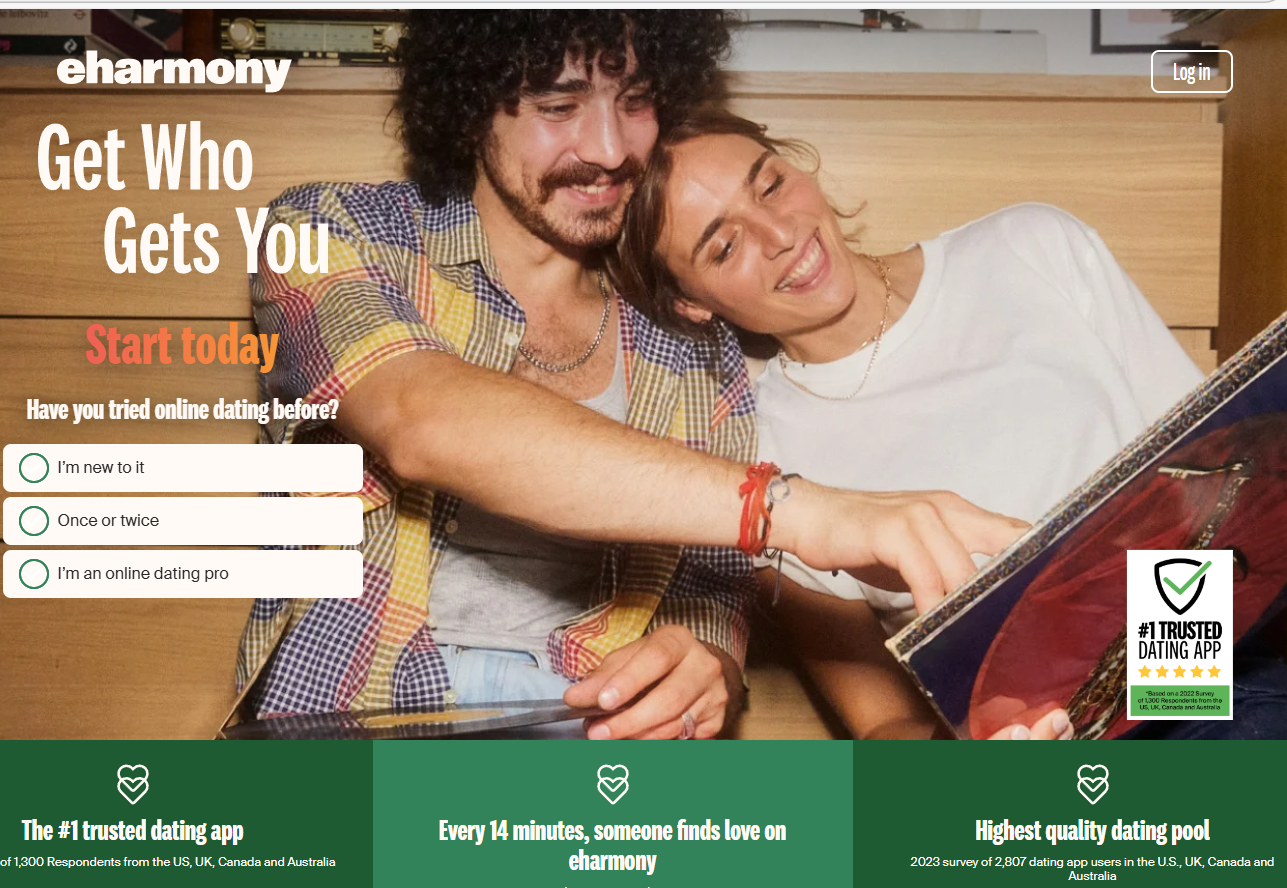
The matches are curated rather than endless, which can feel limiting but also prevents decision paralysis. Features like anonymous browsing and guided communication help ease people into conversations naturally. They’ve also evolved to include LGBTQ+ matching after years of excluding same-sex couples.
The biggest barrier is cost—premium memberships start around $36 per month, making it one of the most expensive options. The free version is essentially useless, letting you build a profile but not much else. However, they offer money-back guarantees if you don’t find matches within certain timeframes.
Best for: People over 30 who are serious about finding a life partner and willing to invest time and money in the process.
The Niche Communities
For the 50+ Crowd: SilverSingles
Dating over 50 comes with unique challenges—empty nesters rediscovering themselves, divorcees navigating technology, or widows seeking companionship. SilverSingles addresses these needs with an age-appropriate interface and matching system designed for mature priorities.
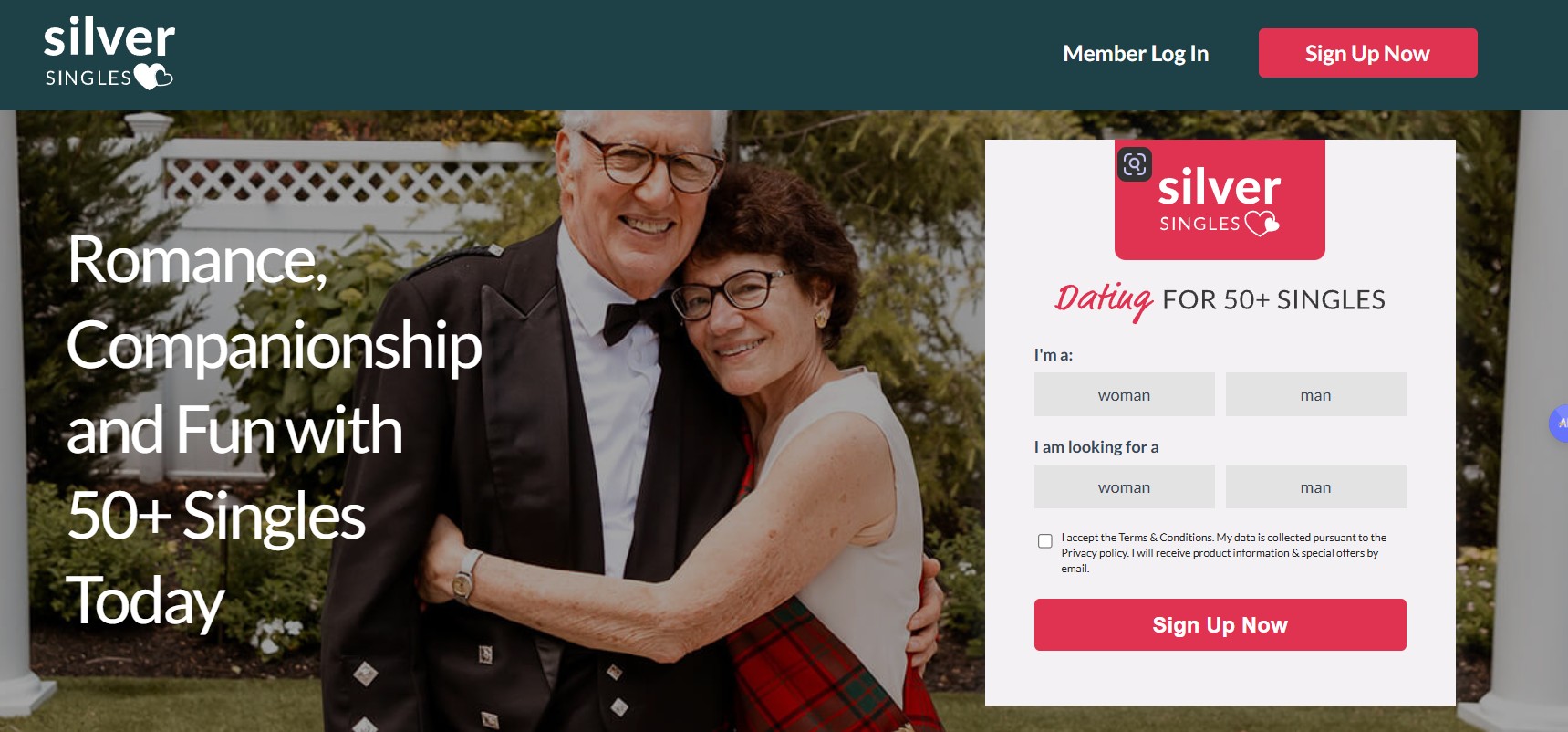
The personality test considers life stage factors that matter more as you age: financial stability, health consciousness, family relationships. Daily match suggestions prevent overwhelm, while private photo albums let users control who sees what. The platform also offers dating advice specifically for seniors, covering everything from safety tips to conversation starters.
The user base skews heavily toward certain geographic areas, so rural users might find slim pickings. Like most niche platforms, messaging requires a premium subscription, but at $25 per month, it’s more reasonable than many mainstream options.
For Faith-Based Connections: Christian Mingle
Christian Mingle has dominated faith-based dating for years, connecting users who prioritize shared religious values. Profiles include denomination preferences, church involvement levels, and favorite Bible verses. The platform hosts real-world events and provides relationship advice from a Christian perspective.
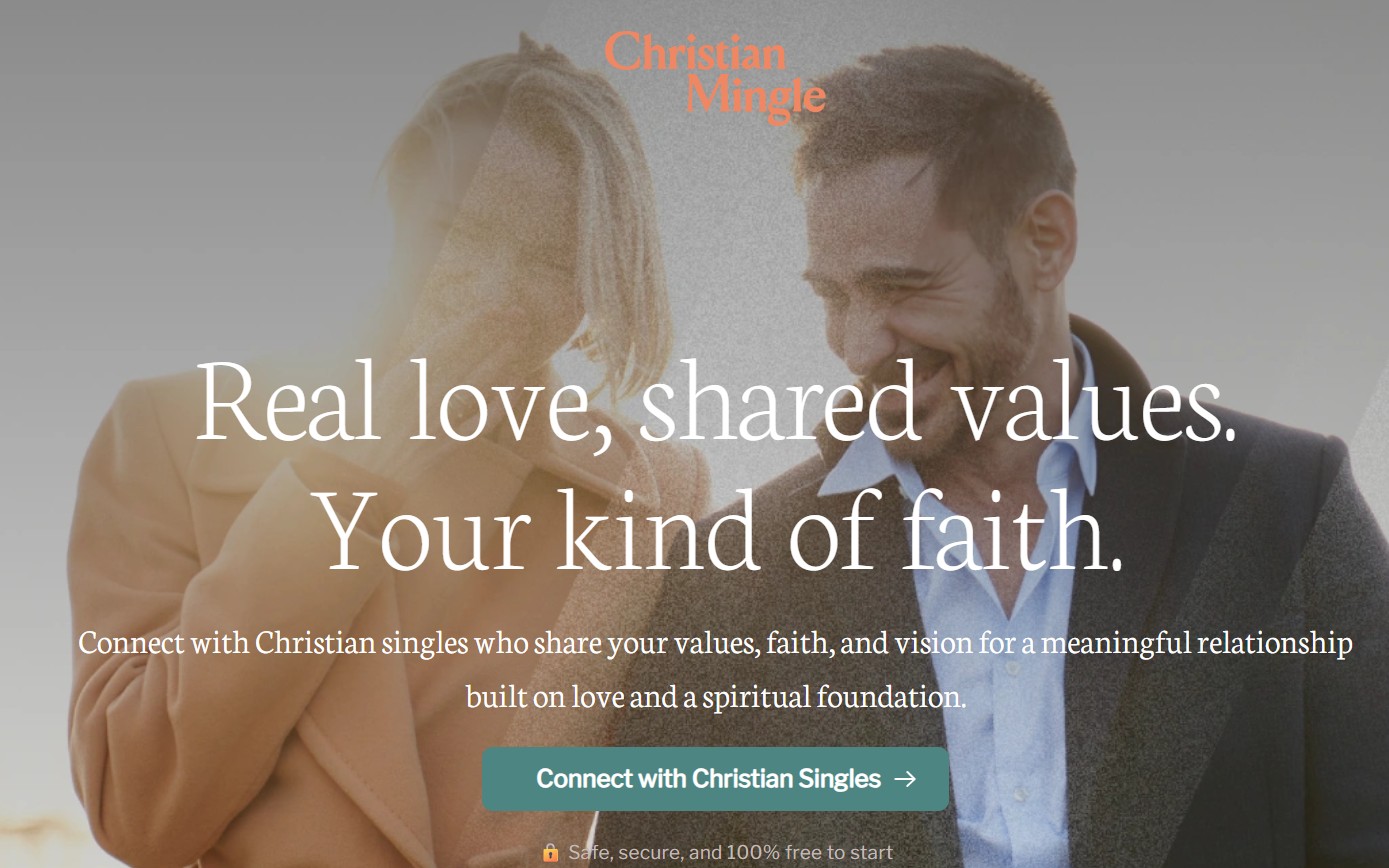
The benefit of niche religious platforms is filtering out fundamental incompatibilities upfront. Users tend to be genuinely seeking serious relationships rather than casual dating. However, the limited user base can feel restrictive, and there’s potential for judgment about different interpretation levels of faith.
Best for: Practicing Christians who want faith to be central to their relationship.




For LGBTQ+ Users: Grindr and HER
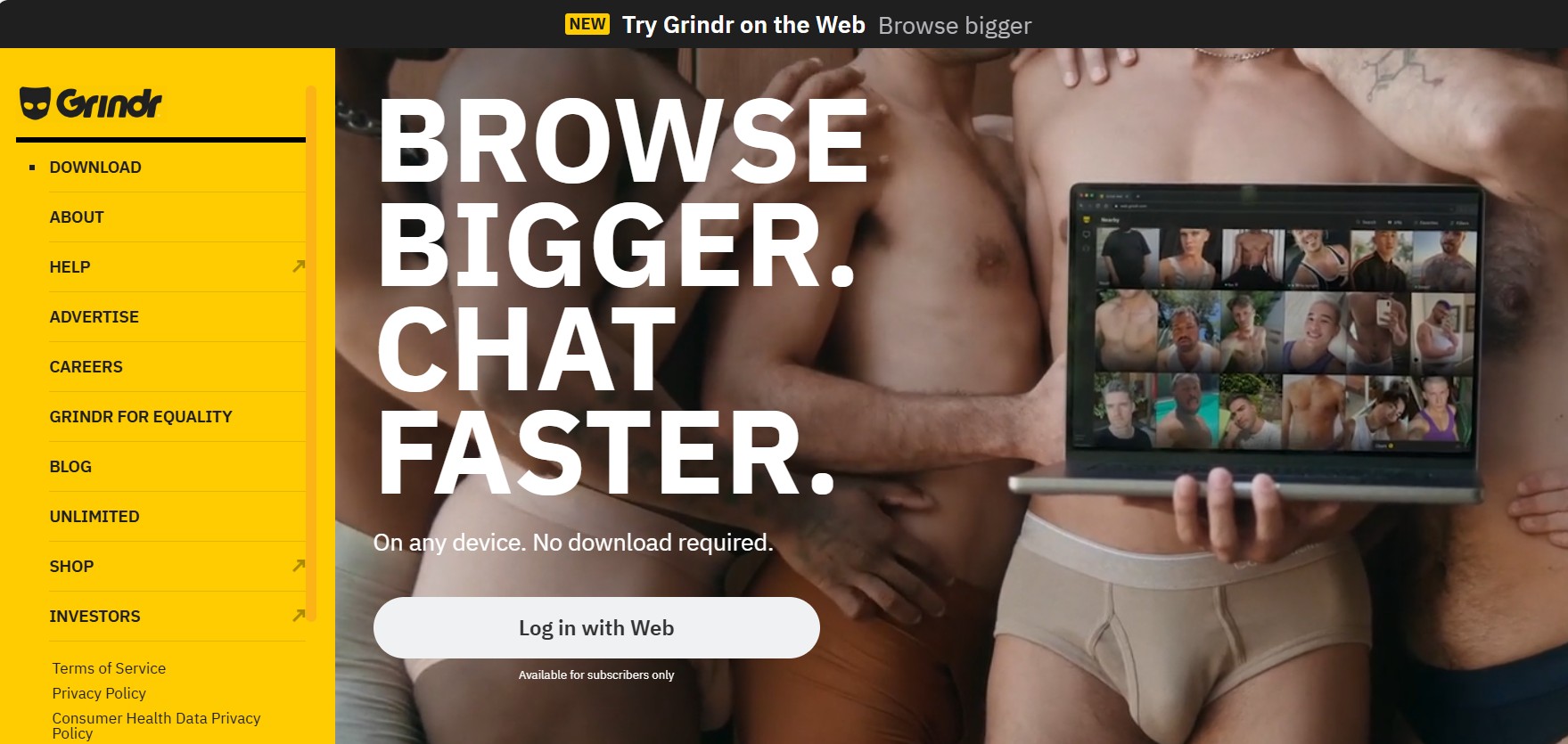
Grindr remains the go-to for gay, bisexual, trans, and queer men, using geolocation to connect nearby users quickly. The “Roam” feature helps travelers connect globally, while safety features let users hide profiles or share locations with trusted contacts. The app culture is admittedly hookup-heavy, but many users find genuine relationships too.
HER serves queer women and non-binary individuals, but it’s more than just dating. The platform includes community forums, local event listings, and LGBTQ+ news. This creates a social ecosystem beyond romantic connections, helping users build broader community ties.
Both platforms offer free versions with upgrade options for ad-free experiences and additional features. The community aspect makes them valuable even for users who eventually find relationships elsewhere.
The Unconventional Options
Feeld: For the Ethically Non-Monogamous
Feeld deserves mention for serving the polyamorous, kink-positive, and sexually adventurous communities often ignored by mainstream apps. Users can create couples profiles, specify complex relationship structures, and explore various sexualities and fetishes in a judgment-free environment.
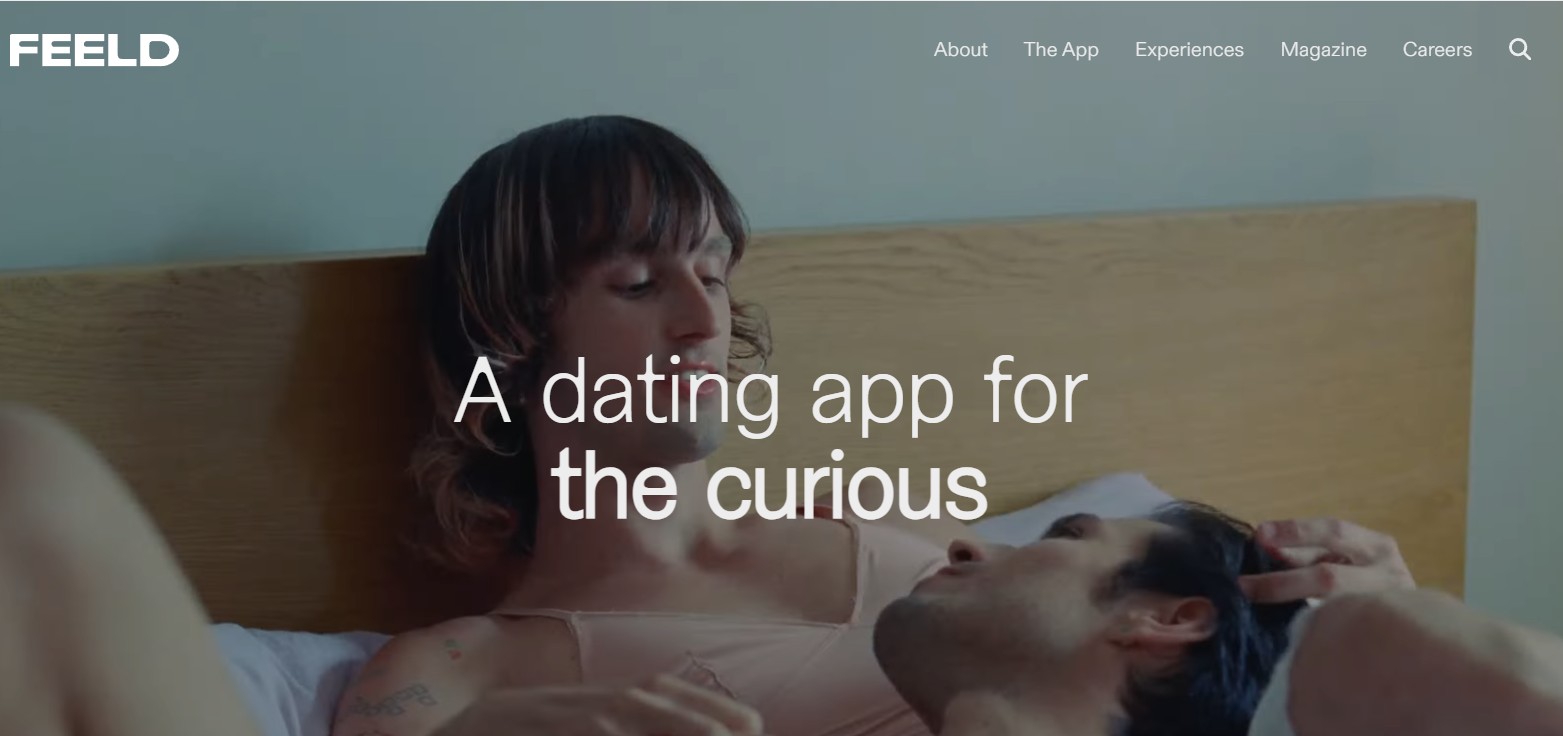
The platform emphasizes privacy with anonymous browsing options and discreet photo sharing. While it’s not for everyone, Feeld provides essential services for people whose relationship styles don’t fit traditional molds.
Coffee Meets Bagel: Quality Over Quantity
For people overwhelmed by endless swiping, Coffee Meets Bagel delivers curated matches (“bagels”) at noon each day. The limited options force more thoughtful consideration of each potential match, while icebreaker suggestions help start meaningful conversations.
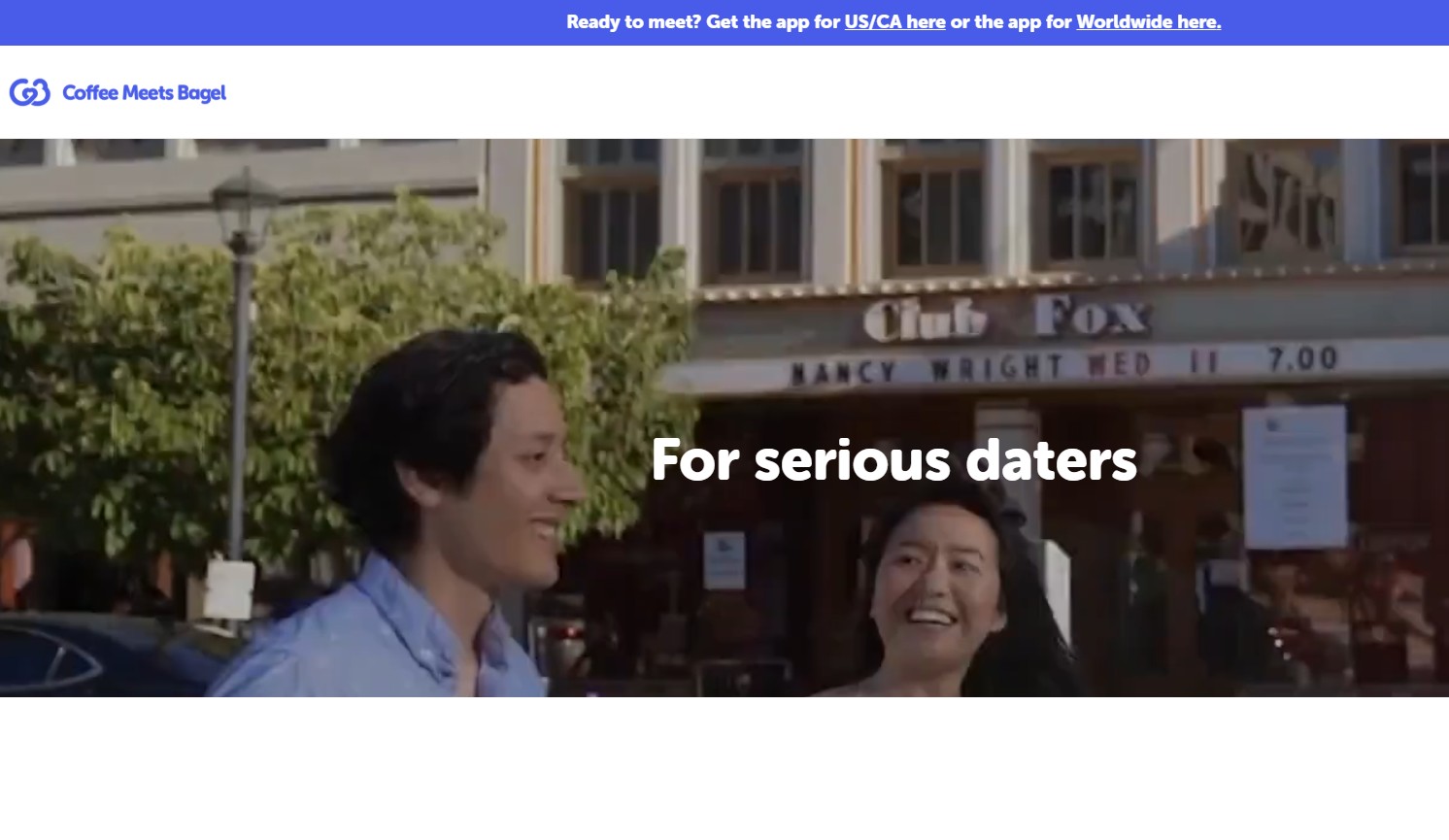
The approach works well for busy professionals who want intentional dating without time-consuming browsing. However, the smaller user base means fewer options, and the gender ratios can be uneven in many markets.
Making It Work: Practical Strategies
After all this research, here’s what actually matters:
👉 Choose strategically. Don’t download every app hoping to maximize options. Pick one mainstream platform and one niche option that matches your specific needs. More apps create decision fatigue, not better results.
👉 Invest in your profile. Good photos matter, but so do genuine prompts that show personality. Skip the generic “I love to laugh” responses. Instead, share specific interests, quirky habits, or thoughtful opinions that spark conversation.
👉Message like a human being. Reference something specific from their profile. Ask questions. Show you’ve actually read beyond their photos. Generic openers get ignored because they feel copy-pasted.
👉Manage your expectations. Dating apps are introduction tools, not relationship guarantees. The goal is getting to an in-person meeting where real chemistry can develop. Don’t expect to fall in love through text messages.
👉Prioritize safety always. Meet in public places, tell friends your plans, trust your instincts, and don’t share personal information too quickly. Video chat before meeting to verify profiles when possible.
Quick Reference Guide: Dating Sites at a Glance
To help you navigate the crowded dating app landscape, I’ve compiled this comprehensive comparison table featuring the 15 most popular platforms of 2025.
This quick-reference guide breaks down each site’s target audience, free features availability, premium pricing, user base size, and standout characteristics. Whether you’re budget-conscious and looking at free options, seeking a massive user pool for maximum variety, or searching for niche communities that match your specific needs, this table will help you identify the platforms worth your time.
Use it to compare pricing across similar services, understand which apps cater to your relationship goals, and make an informed decision before investing your energy (and potentially money) into creating profiles. Remember, the “best” dating site isn’t necessarily the most popular one—it’s the one that aligns with what you’re actually looking for.Research
| Site | Best For | Free Version? | Premium Price | User Base Size | Key Feature |
| Hinge | Serious relationships | Yes | $15-25 | Medium | Prompts |
| Bumble | Empowered women | Yes | $25-40 | Large | First-move rule |
| Tinder | Casual dating | Yes | $10-20 | Massive | Swiping |
| OkCupid | Inclusive matching | Yes | $35 | Large | Questionnaires |
| Match | Long-term | Limited | $22 | Large | Events |
| eHarmony | Marriage | Limited | $36 | Medium | Compatibility quiz |
| Zoosk | International | Yes | $20 | Large | Social integration |
| EliteSingles | Professionals | Limited | $30 | Medium | Personality test |
| SilverSingles | Seniors | Yes | $25 | Medium | Age-focused |
| Christian Mingle | Faith-based | Yes | $20 | Niche | Belief prompts |
| Plenty of Fish | Budget casual | Yes | $20 | Large | Streaming |
| Grindr | LGBTQ+ men | Yes | $20 | Large | Geolocation |
| HER | Queer women | Yes | $15 | Medium | Community events |
| Feeld | Open-minded/kink | Yes | $18 | Small | Couples profiles |
| Coffee Meets Bagel | Intentional matches | Yes | $9 | Small | Daily curations |
The Bottom Line
The best dating platform in 2025 isn’t the one with the most users or the fanciest algorithm—it’s the one that matches your current life stage, relationship goals, and communication style. Take time to honestly assess what you’re seeking, whether that’s casual dating, serious partnership, or community connection.
Remember that dating app fatigue is real. Set boundaries around usage time, take breaks when needed, and don’t let the apps become a source of self-worth validation. Your perfect match isn’t hiding in an algorithm—they’re one genuine conversation away.
The landscape will keep evolving, but the fundamentals remain the same: authenticity, patience, and treating people like humans rather than profiles. Choose your platform thoughtfully, engage genuinely, and remember that the best relationships often happen when you least expect them.
Now stop reading guides and go start some conversations. Your future self will thank you.
Or seems like all platform are only populated by fake profile and men