
There’s a particular kind of pause that happens before someone writes a dating app bios.
Not because they don’t know who they are — but because turning a real, complex human into three short lines suddenly feels impossible.
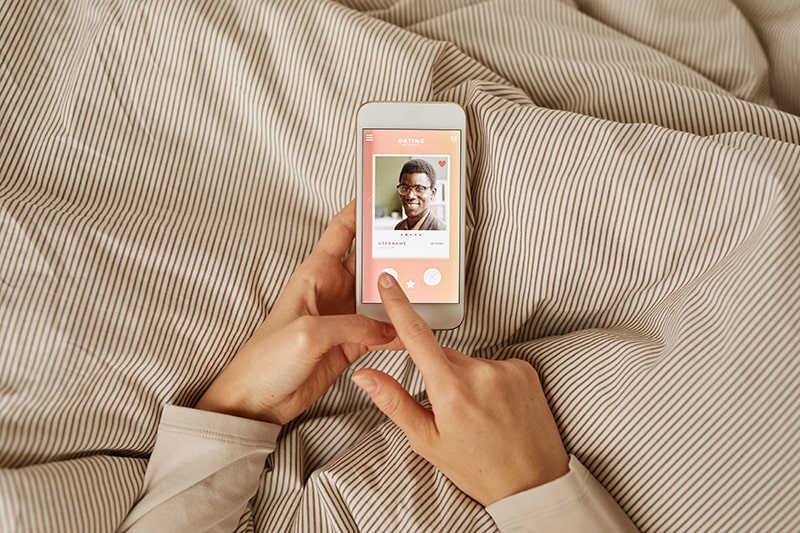
For many Gen Z daters, that pause has turned into something else entirely: opening an AI tool and asking it to help.
Recent surveys suggest that nearly half of Gen Z users have used AI in some way to write or refine their dating app bios. At first glance, it sounds like another example of technology replacing authenticity. But when you look closer, something more human — and more vulnerable — is happening.
This isn’t about laziness or deception.
It’s about pressure, visibility, and the quiet fear of being misunderstood before you’re even given a chance.
Understanding why this shift is happening says more about modern dating than it does about artificial intelligence.
The Hidden Pressure Behind “Just Write Something About Yourself”
Dating apps present themselves as casual.
But the emotional reality is anything but.
A bio isn’t just text — it’s a first impression, a filtering mechanism, and in many cases, a judgment made in seconds. Gen Z grew up online, deeply aware of how language, tone, and even emojis can change perception. That awareness creates pressure older generations didn’t experience in the same way.
Many young daters report feeling stuck between two fears:
- Sounding boring or generic
- Sounding like they’re trying too hard
AI becomes a neutral third party — not to invent a personality, but to translate one. It offers wording that feels confident without being cringey, playful without being forced. For someone who knows who they are but struggles to package it, that assistance feels less like cheating and more like relief.

When Self-Expression Starts to Feel Like Performance
One of the quieter shifts in dating culture is how self-presentation has turned into a performance. Bios are no longer just introductions; they’re strategic snapshots designed to survive endless swiping.
Gen Z is especially sensitive to this. They’ve watched authenticity get rewarded — and punished — online. They know the wrong phrasing can invite the wrong attention or none at all.
Using AI doesn’t necessarily mean they don’t know what they want to say. It often means they’re tired of editing themselves into something clickable.
In that sense, AI becomes a buffer.
A way to step back emotionally while still participating.
Is This About Convenience — or Emotional Safety?
It’s easy to frame AI-written bios as a shortcut. But many users describe something deeper: emotional protection.
Writing about yourself for strangers requires vulnerability without context. AI creates distance. It allows someone to test versions of themselves without fully exposing their inner voice.
For people who have felt misread, dismissed, or ignored in dating spaces, that distance can feel safer.
This doesn’t mean the connection that follows is fake. It means the entry point is less emotionally taxing.
The Authenticity Question Everyone Is Asking
The obvious concern is honesty. If AI helped write the bio, is the person real?
What’s often missed is that most users don’t copy-paste blindly. They tweak, refine, reject lines that don’t feel like them. AI becomes a starting point, not a script.
Authenticity isn’t just about who typed the sentence — it’s about whether the words reflect lived truth. A well-written bio has always involved curation. AI simply makes that process faster and less intimidating.
The real disconnect doesn’t come from AI.
It comes when people rely on it to hide rather than clarify.
What This Trend Says About Modern Dating (Not Just Technology)
This shift isn’t really about Gen Z or AI. It’s about how dating has changed.
- First impressions are compressed into seconds
- Language carries disproportionate weight
- Rejection often feels silent and unexplained
AI is filling a gap that already existed: helping people feel legible in a system that reduces them.
If anything, this trend reveals a desire to be understood — not manufactured.
The Line Between Support and Self-Erasure
There is a line, though.
When AI smooths out every edge, every quirk, every awkward truth, something important can get lost.
The bios that resonate most still sound human. Slightly imperfect. Specific. Grounded.
AI works best when it helps someone say what they already know — not when it replaces the work of knowing themselves at all.
What Actually Matters Moving Forward
Dating apps will keep evolving. AI tools will get better.
But the emotional core of dating hasn’t changed.

People still want to feel seen.
They still want curiosity, warmth, and honesty.
They still sense when something feels real.
Using AI to write a dating bio doesn’t make someone less authentic.
Avoiding self-reflection does.
And perhaps that’s the real takeaway: in a world that asks us to summarize ourselves constantly, tools aren’t the problem. The pressure is.
Hey,
Thank you so much for this insight!!
honestly so glad i clicked on this. i’ve been struggling to make my bio sound like a real person and not a robot lol. the tip about using specific ‘hooks’ instead of just listing hobbies is a total game changer. already updated mine and it feels 100x more authentic. thanks for the help!”